
FEBRUARY 17, 2026
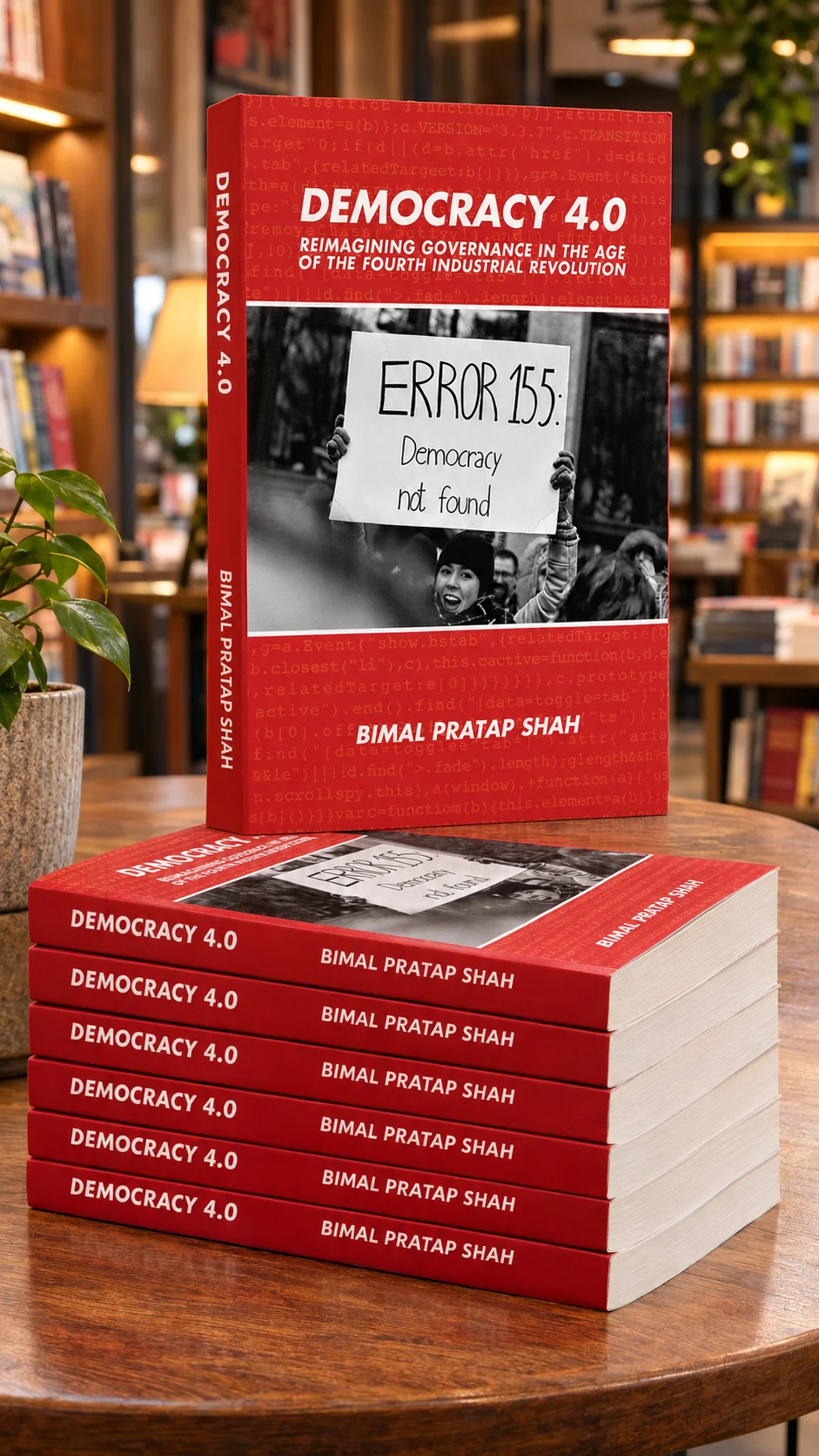
Democracy 4.0 · Published May 2019
Democracy:
Not Found.
Re-imagining governance in the age of the Fourth Industrial Revolution.
A book by Bimal Pratap Shah
With leading scholars from around the world
With leading scholars from around the world
Technology changes. Our questions evolve.Discover what comes next
Foreword
By Rock Star Economist

There is little disagreement today among mainstream economists on the indispensability of sustained economic growth for reducing human deprivation. Although there is no consensus on how to achieve growth on a sustained basis, the contours of a new paradigm have emerged after distilling the diverse development experiences in the 20th century. First, fast-growing economies are oriented towards greater participation in international trade and investment. Second, the quality of institutions at home - rule of law, contract enforcement, control of corruption, mechanisms to resolve conflicts, prudent regulations - underpins development in the long run. Third, infrastructure in terms of software (people's skills) and hardware (roads, ports, energy) is vital. I believe that the emerging digital tools have the potential to accentuate and augment all these potentials for greater human progress.
Over the past two decades, governments have begun to upgrade digitally so that citizens are able to engage with them, and with each other, through the Internet. They have embraced digital transformation as a strategy for improving governance, operational efficiency, and service delivery. Paradoxically, Nepal has lagged and leapfrogged at the same time. While we have grown our network of telephone connectivity from a mere 72,000 units to over 30 million cellphone subscriptions over the 25 years between 1992 and 2017, the quality of the digital ecosystem remains nascent. Given the country's landlocked status, digitalization has to be at the heart of our strategy to negate handicaps associated with geographical adversity.
The coming decades will be about the Fourth Industrial Revolution characterized by big data, autonomous machines and robotics, artificial intelligence, and the Internet of Things. It is, therefore, necessary for the government and private firms to adopt integrated digital and physical technologies to leverage new inventions for greater productivity, growth, and job creation.
Bimal Pratap Shah has consulted for the Government of Nepal since 2003. This broad experience has given him insights into the challenges faced by developing countries when seeking to transform digitally. This book weaves together the passions, experience, knowledge and advice of Shah and his notable co-authors.
I am confident that this compendium will be a useful resource for everyone concerned about the opportunities and threats posed by the new digital landscape, from cyber-security and internet addiction to the promise of a digital economy undergirded not just by artificial intelligence and e-commerce, but also e-participation of citizens so that we build a cleaner, more effective and meaningful democracy in the digital era.
“The coming decades will be about the Fourth Industrial Revolution: Big Data, Autonomous Machines, AI, and the Internet of Things.”
Listen to the foreword

Dr. Swarnim Waglé
Honorable Finance Minister · Federal Government of Nepal
Elected Member · Federal Parliament
Vice-Chairman · Rastriya Swatantra Party (RSP)
Former Vice-Chair · National Planning Commission

TIME100 Climate · 2026
A global challenge.
A voice from Nepal.
Rockstar economist.
Climate champion.
Swarnim Wagle's TIME100 Climate profile puts Nepal's call for a fairer climate response in the global spotlight.
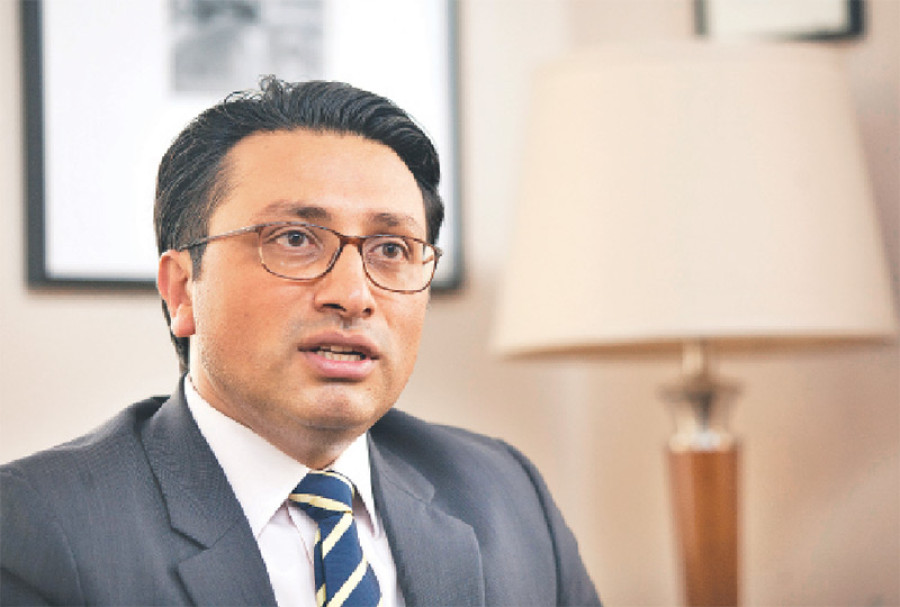
Swarnim Wagle
TIME100 Climate / 2026 ↗
Climate justice ✳ Shared responsibility ✳ A fairer future
Responsibility
A fairer share.
Responsibility for emissions must inform who pays for recovery and resilience.
Climate Finance
From pledges to people.
Funding must reach communities and help them rebuild their lives.
Resilience
Protect the future.
People, livelihoods, and long-term protection at the centre of climate decisions.
TIME profile by Simmone Shah · November 9, 2026
Editorial summary. Full reporting at TIME.
Read the TIME Profile ↗
Editorial summary. Full reporting at TIME.
About the book
Why Democracy 4.0?
Klaus Schwab, the visionary founder and Executive Chairman of the World Economic Forum (WEF), set the stage for a technological renaissance with his call to action in 2016 for the Fourth Industrial Revolution (4IR). His sharp insight illuminated the profound impact that rapidly advancing technologies like artificial intelligence (AI), robotics, big data, and the Internet of Things (IoT) would have on society, politics, and the economy.
For developing countries, the Fourth Industrial Revolution represents a unique opportunity to catch up with their developed counterparts who had a head start in the first three industrial revolutions. However, this opportunity can only be fully leveraged with the cooperation of academia, industry, and the public sector to develop effective policies and programs.
In this digital age, constant updates to skills and innovative ideas are essential, making it crucial for our education and training systems to adapt. To remain competitive in the changing digital landscape, individuals must possess the critical thinking and flexible skills needed to succeed in the workplace of the future.
The Fourth Industrial Revolution offers unparalleled benefits, but realizing these benefits requires leadership with the skills to navigate digital disruptions. Sadly, many government leaders are ill-prepared to drive change and spur the next wave of economic growth.
The book, Democracy 4.0, offers a concise guide for policymakers and government officials who must prepare their organizations for the impending transformation. The collection of essays draws on extensive research, real-world implementation experiences, and international best practices to present a range of policy options and arguments for a specific course of action.
Featuring contributions from distinguished senior government leaders and scholars, the recommendations are based on over two decades of impactful work from the author, co-authors, and governments worldwide. Democracy 4.0 serves as a rallying cry for all those who aspire to seize the immense opportunities of the Fourth Industrial Revolution and create a better future for all.
The people behind the ideas
Ideas shaped by experience.
Re-Imagining Governance in the Age of the Fourth Industrial Revolution. A book by Bimal Pratap Shah and leading scholars from across the globe.
Primary author

Digital Polymath · E-Governance Architect
Bimal
Pratap Shah
UNU-IIST Fellow. M.Sc. Informatics from Sweden (Swedish Institute Scholarship). Multi-lateral advisor spanning United Nations, World Bank, Asian Development Bank, WTO, SGS Genève, and the Government of Macao SAR China. Columnist at The Kathmandu Post, My Republica, and the NYT Partner Network with over 100 published op-eds.
CAREER TIMELINE
1993 — PRE-WEB COMMERCE
Pioneer of USENET as marketplace. Distributed Metallica and NIN bootlegs across US networks before the web existed.
2000 — UNIVERSITY OF METALLICA
Founded pre-Facebook digital community surpassing the band's official presence. Nearly sued by Metallica's legal team. Site permanently closed.
2002 — PIRATE RADIO / WAVE MAGAZINE
Detained for involvement with a pirate radio station in Kathmandu broadcasting Psy-Trance. Music critic at Wave Magazine — column terminated after editorial team fired for fearless reporting.
2003 — NITC: NEPAL'S DIGITAL REVOLUTION
First technical hire at the National IT Center. Co-authored Nepal's E-Government Master Plan 2006 with the Government of South Korea (KIPA).
UNU-IIST FELLOW
Co-authored the Strategic IT Planning Toolkit for Public Organizations, deployed for Macao SAR China — predicted IMF's wealthiest region.
ADB PROJECT 38347 — PMO CONSULTANT
National Digital ID, Electronic Driver's Licence, Land Records Management. Implemented Nepal's first Comprehensive Two-Stage Bidding Document for ADB.
2011 — BRYAN ADAMS: LIVE IN NEPAL
Strategic lead for Nepal's premier international musical event. Historical success. Resigned on principle.
2013–2018 — WORLD BANK · WTO · SGS
National ID System study (World Bank). Architect of Nepal National Single Window (NNSW) and Information Trade Portal (WTO/SGS Genève).
2020–2021 — UNDP PLGSP · GANDAKI PROVINCE
IT & E-Governance recruitment for Province and Local Government. Digital transformation blueprint for Gandaki Province.
HIGH-LEVEL INTELLECTUAL ENCOUNTER

Ray Kurzweil — The Singularity
Briefly engaged in discourse on the concept of Singularity — well before it graced the pages of mainstream discourse. Pre-iPhone era, grainy image certified authentic.
INTERNATIONAL BUDDHIST FILM FESTIVAL · COLOMBO 2011
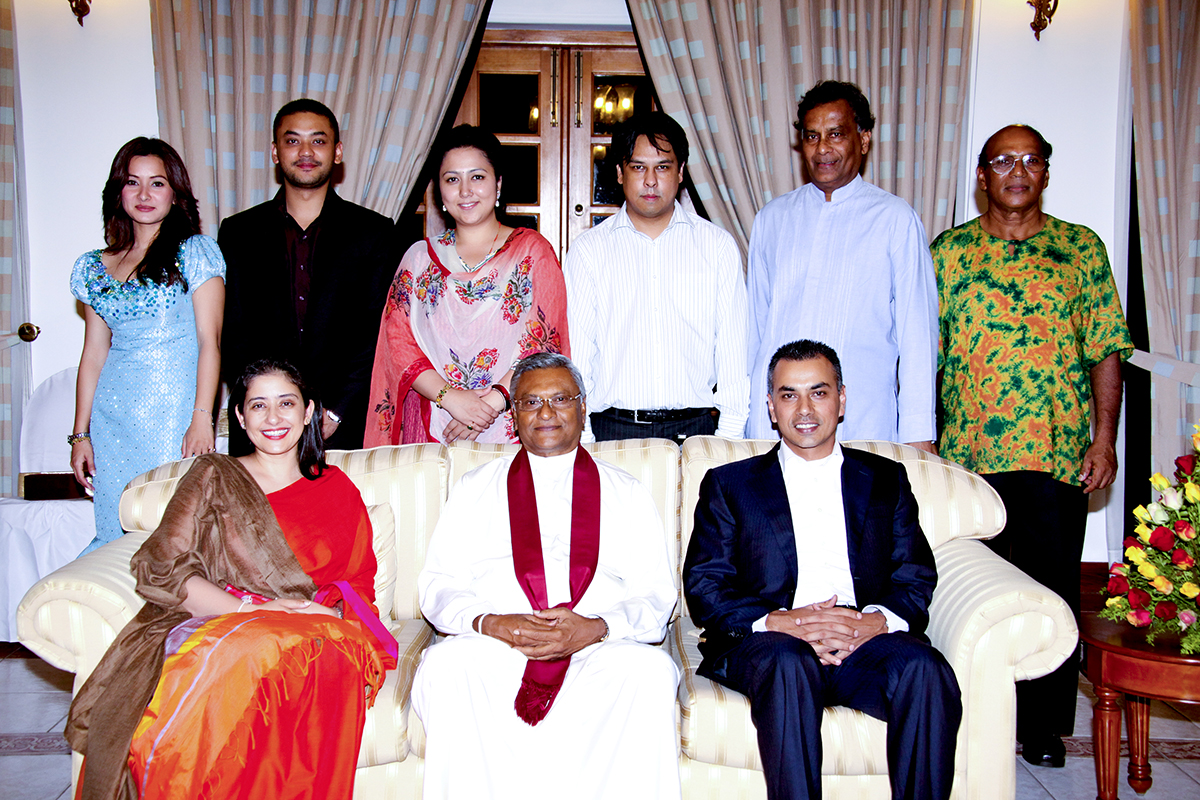
With Manisha Koirala — Nepal Delegation
Distinguished member of Nepal's delegation at a high-level tribute to the bond between Buddhism and Cinema alongside Bollywood icon Manisha Koirala.
ACADEMIC PUBLICATIONS
ICEGOV '07 · DEC 2007
Evaluating the web accessibility of websites of the central government of Nepal
ICEGOV '09 · NOV 2009
Search engine visibility of national tourism promotion websites: A case of Nepal
ICEGOV '11 · SEP 2011
Using social media to increase e-government adoption in developing countries

AI PIONEER
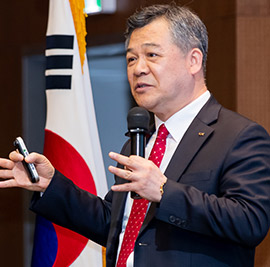
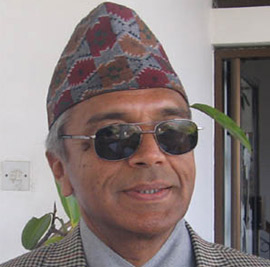
Dean, School of Engineering
Kathmandu University
Nepal · Academician @ NAST 2024
Launched Nepal's first BTech & MTech in Artificial Intelligence. International Master's Program in Energy Systems with IIT Madras. Advisor to the PM's High-Level ICT Council and the Minister of Education's National Education Council. Developed E-Government Master Plans for Costa Rica and Philippines. World Bank National ID System Study (Nepal).
Languages: English · Nepali · Hindi | Nodes: IN · TH · SG · KR · US
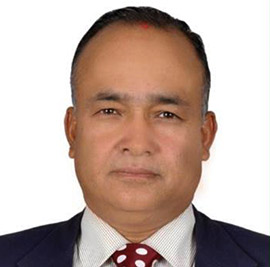

CURRENT ADMIN ROLE
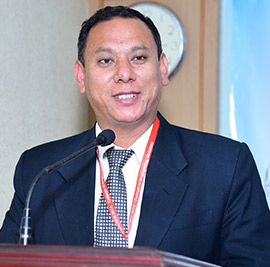
Director of Studies
Nepal Administrative Staff College (NASC)
Government of Nepal
Ph.D. Urban Science & Engineering (IIT Bombay). DAAD Regional Scholarship recipient. Developed an advanced G2G framework for volunteer allocation during natural disasters. ICT training specialist for Nepali civil servants in development, governance, and crisis response.
Domain: E-Gov · Disaster Tech · Smart City Architecture · Knowledge Management
Training partners: APCICT · AIT Thailand · ASC India · IIT Bombay · DAAD Germany
Training partners: APCICT · AIT Thailand · ASC India · IIT Bombay · DAAD Germany
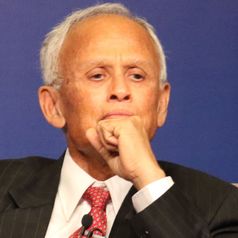
STOCKHOLM WATER PRIZE LAUREATE
Distinguished Visiting Professor
University of Glasgow, UK
Distinguished Professor · Lee Kuan Yew School of Public Policy, NUS · Singapore
One of the world's foremost authorities on water, food, environment, and development. Author of 83 books and over 650 scientific papers translated into 37 languages. Co-founder of the International Water Resources Association and the World Water Council. Senior adviser to 19 heads of government and six United Nations agency heads. Recipient of the Stockholm Water Prize — widely regarded as the Nobel Prize for water science.
Accolades: Stockholm Water Prize · Crystal Drop Prize · Millennium Prize · Walter Huber Prize (ASCE) · Person of the Year — PM Harper, Canada · Aragon Environment Prize, Spain
Advisory record: 19 Governments · 6 UN Agency Heads · Presidents · Prime Ministers · Ministers of State
Executive Director, Water Management International · Chief Executive, Third World Centre for Water Management, Mexico

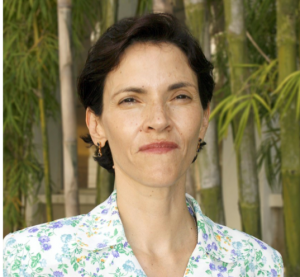
FIRST & ONLY FEMALE PRESIDENT · IWRA
Professor in Practice
University of Glasgow, UK
Adjunct Senior Research Fellow · Institute of Water Policy · Lee Kuan Yew School of Public Policy, NUS · Singapore
Over 30 years of research, teaching, and consulting in water, environment, and natural resources management. The first and only woman to serve as President of the International Water Resources Association in its over 50-year history (2007–2009). Editor-in-Chief, International Journal of Water Resources Development. Past President of the Third World Centre for Water Management, Mexico. Research at the Lee Kuan Yew School of Public Policy focuses on the water–food–energy–environment nexus, urban water governance, and the impacts of global change on societies.
Adviser: FAO · UNDP · JICA · ADB · OECD · IDRC
Member: OECD Water Governance Initiative · International Selection Committee, Millennium Technology Prize, Technology Academy Finland
Regions: Africa · Asia · North & South America · Europe
In focus / Gen Z
A generation demanding participation.
Economic opportunityClimate resilienceInstitutional trustDigital rights
MARCH 16, 2026 · KATHMANDU
Gen Z Activists Continue Protest Demanding Release of Karki Commission Report
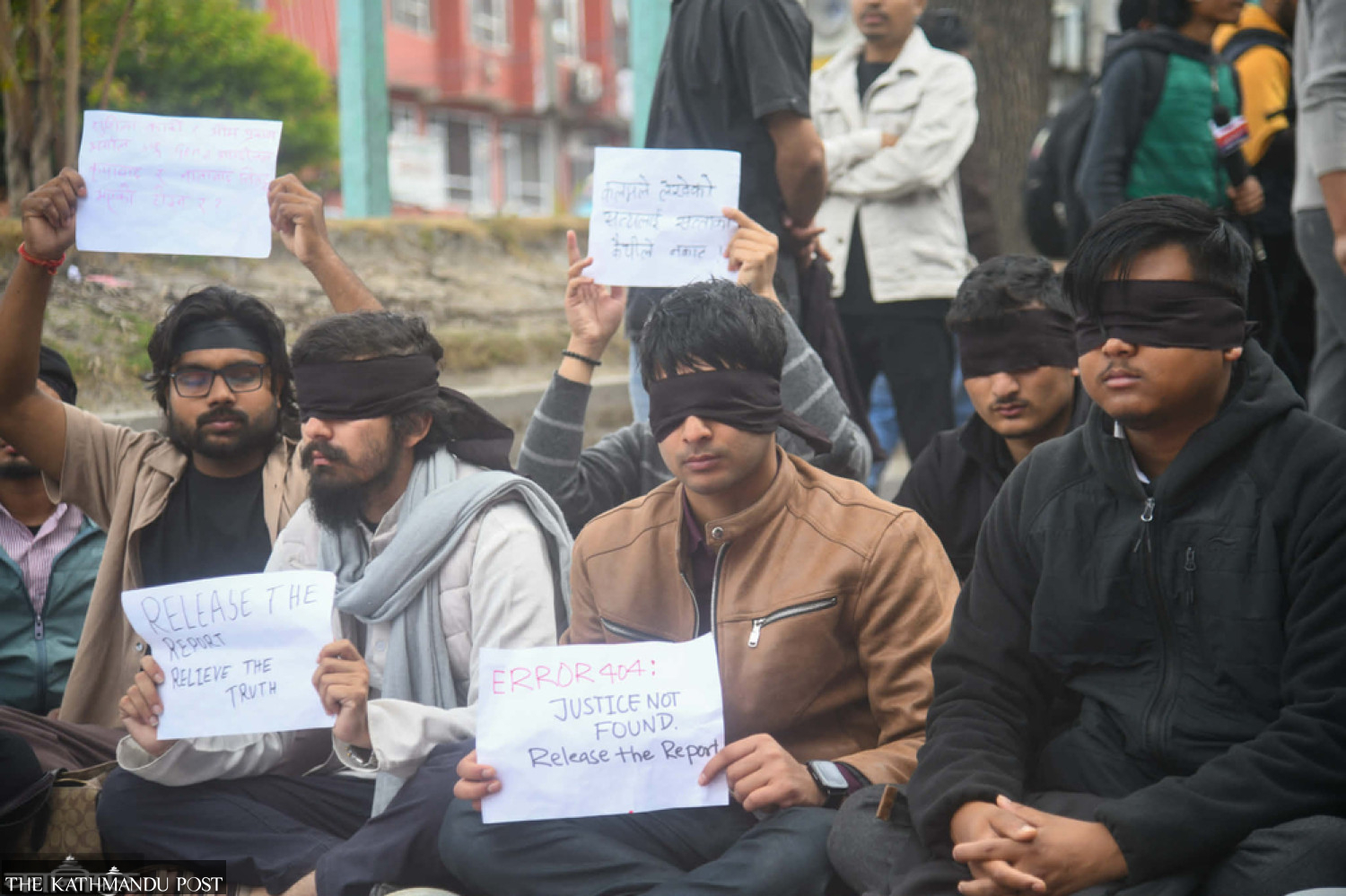
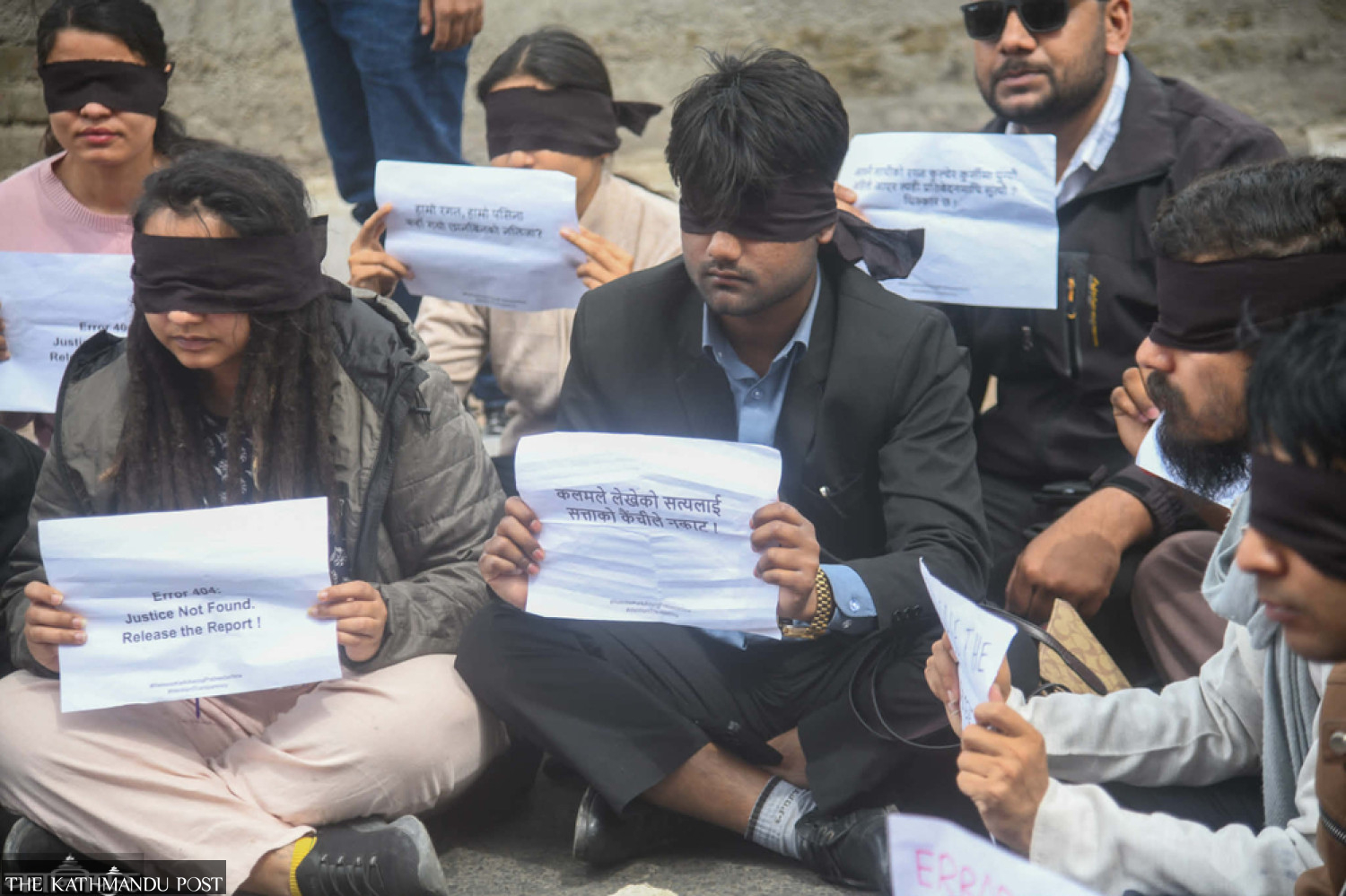
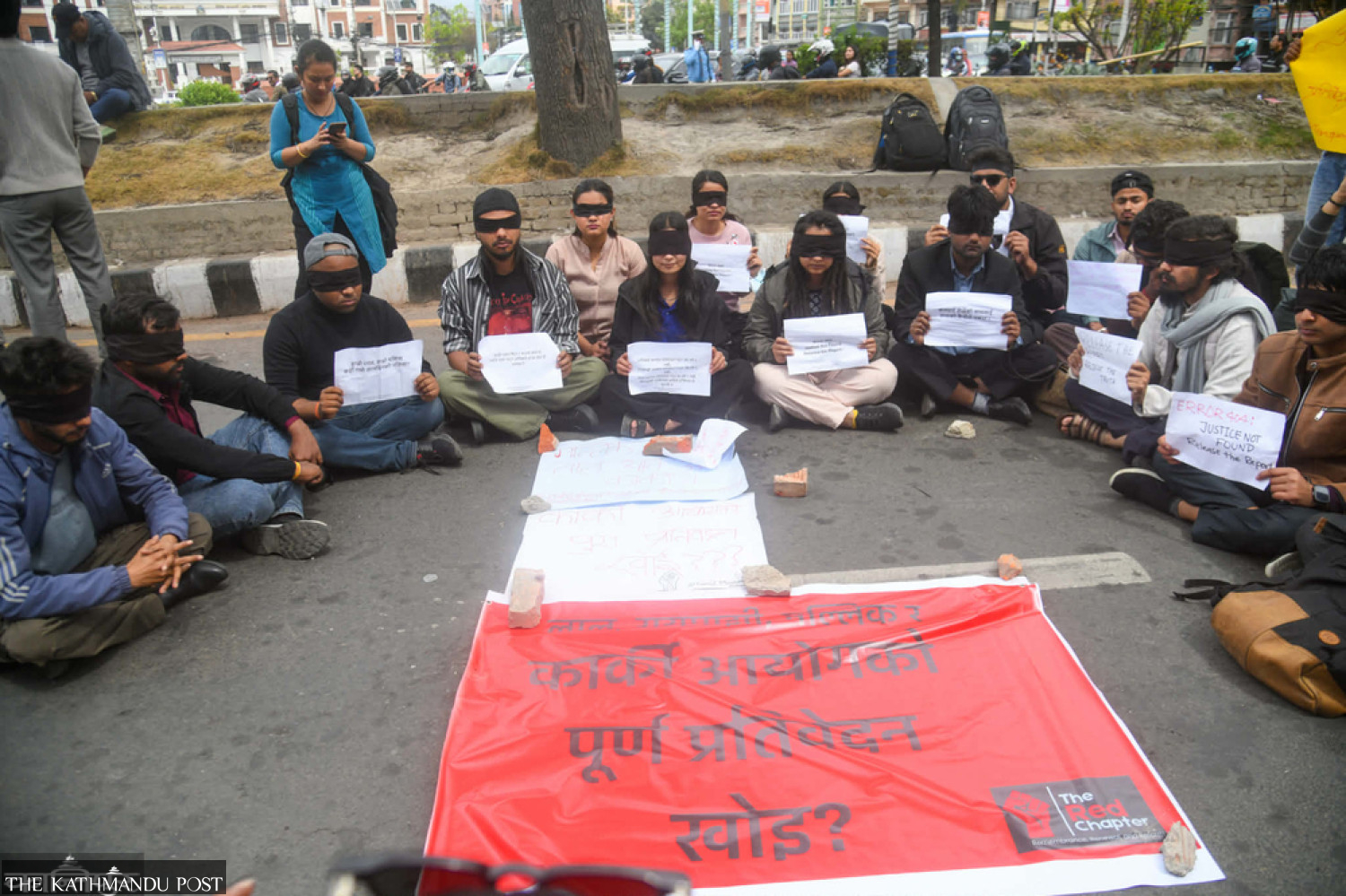
Gen Z activists in Kathmandu have continued their protests at Maitighar Mandala, demanding the public release of the long-awaited Karki Commission report, which investigates the deadly September 2025 uprising. Although the report has been submitted to the government, authorities have delayed making it public — fueling frustration among youth groups who see transparency as essential for justice and accountability.
Perspectives
Thinking beyond the present.
100+ published columns at The Kathmandu Post, My Republica, and the NYT Partner Network, covering AI, governance, Gen Z, and the Fourth Industrial Revolution.



JANUARY 6, 2026
Gen Z's Warning: Nepal's Economic Policy Cannot Withstand Algorithmic Disruption



SEPTEMBER 29, 2025
That Unforgettable 2017 Evening When Mahabir Pun and SoftBank Discussed the Future

BACK COVER · EDITORIAL ENDORSEMENT
The Fourth Industrial Revolution is upon us, fundamentally reshaping how nation-states understand growth, development, and their relationship with citizens. Transitioning to a digital economy is no longer optional—it is imperative. Governance, if it is to remain relevant, must reimagine its purpose, tools, and value in the digital age.
Many advanced economies have already launched far-reaching policies to harness Industry 4.0, recapacitating institutions inside and outside government to thrive in innovation-driven ecosystems. Developing countries must act faster and more decisively, as the challenges they face are deeper and more structural.
This book serves as a timely and accessible guide for civil servants tasked with navigating this transition. Through collaboration with experienced government leaders and scholars, Bimal Pratap Shah presents a wide-ranging exploration of digital government transformation, equipping leaders to manage institutional change amid profound technological disruption.
Ultimately, the book compels readers to reflect seriously on our shared future—and on our responsibility to shape it wisely for those who inherit it.
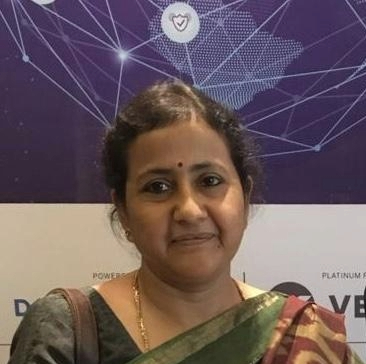
Smt. S. Radha Chauhan, I.A.S.
Chairperson · Capacity Building Commission · Cabinet Secretariat
Directly under the Prime Minister · GOVT. OF INDIA
Former Secretary · Union Government of India
The conversation continues
The next chapter.
Coming in 2028.
The second edition of Democracy 4.0.
Read the foreword